
After a few years of running a nonprofit news organization, I began to realize that the biggest strategic challenge wasn’t obvious at the outset. It’s not about recruiting top-tier reporting talent, assembling a reliable technology stack, or securing grants or major gifts, though all of those are critically important.
Having now served two years on the board of directors at the Institute for Nonprofit News (INN) and looked across the field, I’ve come to believe that audience growth isn’t a side strategy. It is the strategy.
Who knows we exist? Who feels we are for them? Who is willing not just to read, but to sign up, stick around, and support us? And how do we find those people and appeal to them in large numbers?
Great journalism only has an impact if enough people read it, hear it, and see it.
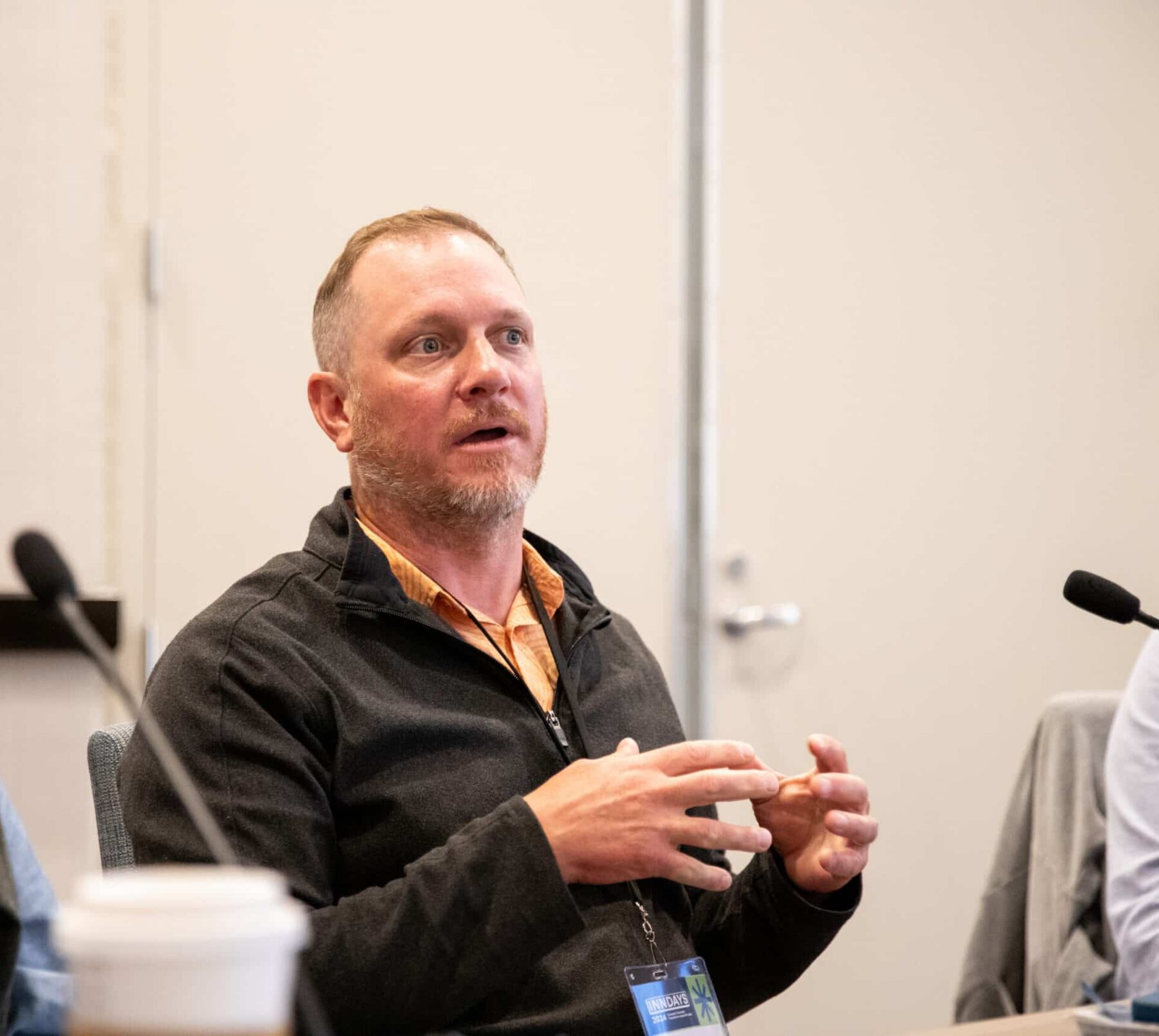
For nonprofit organizations like Montana Free Press that rely heavily on philanthropic support from individuals and institutions, our audience is key to both our editorial impact and our financial sustainability. As more people turn to Montana Free Press as a vital source of information in their day-to-day lives, more and more of them sign up to support our work on a recurring basis.
For much of the past decade, nonprofit news has understandably focused on survival: launching new outlets, stabilizing budgets, building governance, and proving credibility. That work mattered, and it still does. But we are now at an inflection point. The question is no longer whether nonprofit news can produce high-quality journalism. The answer is a resounding “yes.” The question today is whether we can grow audiences at a scale that makes our work durable, trusted, and truly embedded in community life.
That’s where reader revenue comes in. Reader revenue, whether in the form of a paywalled subscription or a volunteer donation to support good journalism, is a strong signal about trust. It’s also a dependable source of cash flow, making it easier for us to plan and grow.
When people hear “reader revenue,” they often think narrowly: memberships, donations, conversion funnels. But for nonprofit newsrooms, reader revenue is something deeper. It’s one of the clearest indicators that our journalism is truly valued.
When someone gives $5, signs up for a newsletter, or chooses to hear from you every morning, they’re saying: “This work matters to me. I want this work to exist.” That expression of trust is foundational not just for financial sustainability, but for legitimacy.
Crucially, reader revenue also shifts a newsroom’s internal posture from “How do we get attention?” to “How do we earn a relationship?” That’s a healthier, more mission-aligned place for nonprofit news to operate.
One of the most important elements of INN’s evolving strategy is its emphasis on helping the public better understand nonprofit news organizations as civic institutions designed to serve communities, not chase clicks or outrage.
Audience growth isn’t about chasing numbers. It’s about building a sense of belonging. And that, ultimately, is how nonprofit news fulfills its promise.
John Adams, INN Board Member and Founder of Montana Free Press
Too often, nonprofit news is evaluated using the same metrics and assumptions as commercial media. But our role is different. We exist to provide verified, independent news and information that helps people navigate their lives, participate in civic life, and feel connected to where they live.
That doesn’t mean we ignore growth. It means we grow with intention. Audience growth is not about maximizing traffic. It’s about widening the circle of people who feel informed, included, and respected.
This is why Local News Day is so important, and why it complements INN’s mission.
Managed by Montana Free Press, with INN and others as founding partners, Local News Day on April 9 is not a fundraising drive or a marketing gimmick. It’s a national moment designed to do something very simple and important: help people discover and value the local news and information already serving their communities.
By encouraging people to find, follow, and sign up for trusted local news sources, Local News Day aims to grow the very top of the reader revenue funnel through awareness and engagement. For nonprofit outlets especially, that first step is often the hardest. Many people support the idea of local news without realizing that a nonprofit newsroom exists in their own backyard.
Local News Day helps close that gap. It creates a shared narrative and a shared invitation: This is yours. This belongs to your community.
Organizations like INN are uniquely positioned to make this work possible. Individual newsrooms, especially small nonprofits, cannot shift national awareness or rewrite public understanding of local news on their own. But as part of a movement — through shared tools, research-backed messaging, and collective moments — we can.
INN’s value has never been just in what it provides to newsrooms operationally, but in how it helps align the field around what matters most. Right now, that means helping nonprofit news organizations grow audiences who don’t just consume journalism, but also support, defend, and advocate for it.
If nonprofit news is going to succeed at scale, we must keep doing the unglamorous work of audience growth: explaining who we are, inviting participation, and making it easy for people to say “yes, this is important to me!”
Reader revenue will not replace philanthropy. But it will strengthen our independence, deepen our accountability to communities, and remind us why this work exists in the first place.
Audience growth isn’t about chasing numbers. It’s about building a sense of belonging. And that, ultimately, is how nonprofit news fulfills its promise.


