
The five-part collaborative series “Powering Rural Futures” revealed that students, educators and employers across the country have an expansive definition of a ‘clean energy job.’ With funding and editorial support made possible by the Ascendium Education Group, this collaboration allowed newsrooms to show up and build trust with often-overlooked rural residents and added greater diversity and nuance to their coverage of higher education and energy issues.

Amid shifting federal policy and funding uncertainties, journalists from across INN’s Rural News Network identified a shared goal: spotlighting the training programs preparing rural communities for clean energy jobs, and the students, educators and local leaders driving that transformation.
The reporting reached a wide audience through republication and multimedia engagement, including vertical video — advancing RNN’s mission to reflect the complexity, resilience and innovation within rural America.
Read the stories:
Charging up: As more electric vehicles hit the road in Minnesota, more schools are training the mechanics needed to work on them, MinnPost – November 10, 2025
Major power line expansions will fuel future growth in SD, South Dakota News Watch – November 3, 2025
Maine’s heat pump boom has been promising for rural workforce development. Can it last?, The Maine Monitor – May 22, 2025
Sonoma-Mendocino geothermal energy project could accelerate demand for clean energy workers, The Mendocino Voice – May 22, 2025
Brighter future? Solar apprenticeships add renewable energy skills to local jobs, Cardinal News – May 20, 2025
Renewable energy industry powers new job growth in SD, South Dakota News Watch – May 19, 2025
From EVs to HVAC, clean energy means jobs in Central Illinois, Canary Media – May 19, 2025
An editorial scope that broadened understanding
As reporters from Canary Media, South Dakota News Watch, Cardinal News, The Mendocino Voice and The Maine Monitor headed out to rural communities in central Illinois, eastern South Dakota, southwestern Virginia, northern California and central Maine, they discovered that students, educators and employers across the country have an expansive definition of a ‘clean energy job.’
They found resilient communities adapting to growing workforce needs that sometimes require that they think outside the box. In South Dakota, a technician who traveled the country for a job wiring wind towers found his next career move was becoming a wind energy program instructor at the technical college where he trained. In Wise County, Virginia, high schools are investing in building a pipeline for their students to enter energy technology programs after learning to install solar panels during summer break. In Somerset County, Maine, training to install heat pumps is being added to programs for future HVAC technicians.
The reporting challenges the narrow way mainstream discourse often characterizes clean energy jobs, which overlooks the diverse and rural workers already doing them. By broadening that picture, it encourages more investment in training a rural clean energy workforce. In California, a community college trains construction students who could supply the labor for a utility company to build a geothermal plant. In Illinois, a state-sponsored training program operates inside a local EV factory.
By teaming up with Big Local News at Stanford, the collaboration used a shared dataset to map clean energy jobs by county —connecting stories across five states and uncovering local and state investments often missed in broader coverage.
Cardinal News Editor Jeff Schwaner said Southwest Virginia is often misrepresented or overlooked in national coverage. Their reporting, set in the heart of coal country, highlighted resilience and innovation, helping correct tired stereotypes of a region seen only as struggling. Because the team had covered rural higher education in a past collaboration, they were able to go even deeper this time around.
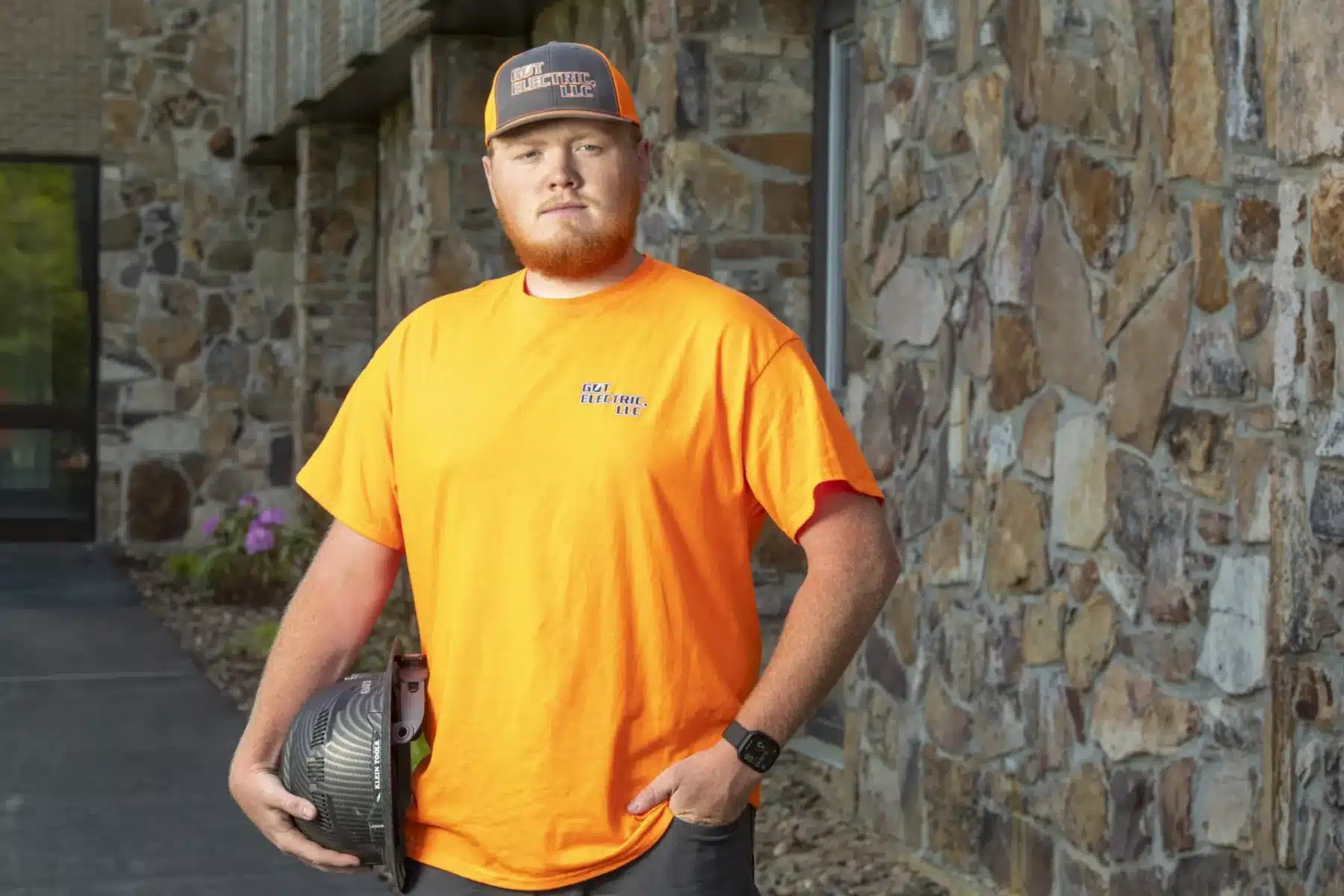
Newsroom growth that reflects communities
With support from the collaboration, reporters were able to dig deeper into rural communities and uncover stories that would have been difficult to reach otherwise. In South Dakota, Bart Pfankuch reported from towns like Mitchell and Watertown, strengthening South Dakota News Watch’s presence outside major cities. Their article was the top story on the site the week it published.
“Stories like this demonstrate we know what’s going on outside the cities,” said Carson Walker, Pfankuch’s editor and CEO of South Dakota News Watch.
In Maine, The Monitor used the opportunity to send new reporter Kristian Moravec into rural areas to build trust and experience. She spoke with sources ranging from their 20s to their 70s, many of whom weren’t used to speaking with journalists. That groundwork helped inform not only the workforce story, but future reporting on education in small towns.
Both newsrooms came away with a clearer understanding of the people shaping the clean energy transition and a stronger connection with the communities they serve.
Reaching for community response
Newsrooms intentionally sought out new audiences, highlighting the voices of Hispanic, Native and low-income workers.
The stories sparked local enthusiasm, too. In South Dakota, coverage of wind energy jobs created an opening to better inform residents about careers in the industry. In Maine, The Monitor’s story outlined the state’s path to 30,000 clean energy jobs by 2030, offering practical entry points for residents curious about joining the workforce.
Multimedia helped expand the reach. All five newsrooms produced vertical videos for INN’s Instagram account, experimenting with new ways to engage. Cardinal News’s video on high school solar training drew more than 4,500 Facebook views and strong engagement on TikTok and Instagram. The Maine Monitor’s Reddit video earned 14,000 views, with additional reach on Instagram and local TV.
For others, the format was new but promising. The Mendocino Voice’s reel brought in over 2,000 views, while Canary Media’s editor said the process sparked fresh ideas for promotion. South Dakota News Watch broke a personal record with 150 views on its first-ever video.
Reporters further shared their findings on at least half a dozen local TV stations, radio shows and podcasts. Statewide and national partners, republished several articles (see below).
What’s next for rural clean energy coverage
By broadening story content and targeting audiences likely to benefit from rural clean energy, “Powering Rural Futures” laid the groundwork for accurate, inclusive coverage of this growing workforce.
Even Canary Media, a longtime expert in clean energy industries, benefited from new perspectives featured in the series, which it co-published on its website. Series editor Dan Haugen said “These were stories and people who probably would not have been featured in our coverage otherwise.” By moving beyond industry insiders to profile students, blue-collar workers and formerly incarcerated people, “this broke out of that sourcing bubble in a big way that wouldn’t have happened otherwise.”
The journalists’ wide range of sources and thoughtful reporting have already sparked follow-up ideas and reader questions, including concerns about housing geothermal workers, recycling wind turbines and the stability of state-funded training programs.
With awareness growing around these educational opportunities and an emerging clean energy workforce, key questions remain about which promises will be fulfilled in rural America – and RNN newsrooms are preparing to dig into those answers in a second round of reporting this fall.
Republication partners
National outlets
Canary Media, series host
Floodlight
Barn Raiser
Hechinger Report
Grist
The Daily Yonder
Governing
Public News Service
Local / state outlets
The Boston Globe
Argus Leader
Mitchell Republic
Aberdeen Insider
Black Hills Pioneer
The Brookings Register
WNAX Yankton
KTIV-TV, NBC for Sioux City, IA
The Dakota Scout
Portland Press Herald
Penobscot Bay Pilot
Bangor Daily News
Sun Journal
Kennebec Journal
Spectrum News Maine
TV/Radio/Online Appearances:
Apple News
Smart News
Rural Reporters Notebook podcast, The Daily Yonder
RESTORE: The North Woods
KMSD 1510AM, South Dakota
“Cardinal Conversation” show, WVTF Music/RADIO IQ
News Center Maine


